

Expert Furnace Repair Services in Tyler, Texas: What Homeowners Need to Know
Discover expert furnace repair services in Tyler, Texas. Learn common issues, maintenance tips, and when to call professionals to keep your home warm and safe.
Expert AC Repair Services in Tyler, Texas: Keeping You Cool Year-Round
Discover expert AC repair services in Tyler, Texas. Learn signs your AC needs repair, benefits of timely fixes, and how Perry’s Heating and AC keeps you cool year-round.
Comprehensive Furnace Services in Tyler: Expert Tips and Solutions
Discover expert furnace services in Tyler, TX with Perry’s Heating and AC. Learn about repairs, maintenance, installation, and how to keep your home warm and safe.
How to Improve Air Quality in Your Tyler Home
How to Improve Air Quality in Your Tyler Home Tyler, Texas, homeowners face a unique set of indoor air quality challenges. East Texas pollen seasons are intense, summer humidity promotes mold and dust mites, and tightly sealed modern homes trap pollutants inside. If you want to improve air quality in Tyler, the right combination of filtration, purification, and humidity management makes a significant difference for your family’s health and comfort. Common Indoor Air Quality Problems in Tyler Homes Understanding what pollutes your indoor air is the first step toward fixing it. Tyler’s climate and geography create specific challenges that affect homes throughout the region. Pollen and Outdoor Allergens East Texas is known for aggressive allergy seasons driven by pine pollen in spring and ragweed in fall. These allergens enter your home through doors, windows, and your HVAC system. Once inside, they circulate through ductwork and settle on surfaces, triggering allergy and asthma symptoms for sensitive family members. Humidity and Mold Tyler’s humid subtropical climate means summer humidity regularly exceeds 70 percent outdoors. Indoor humidity above 50 percent creates ideal conditions for mold growth and dust mite populations to explode. Basements, bathrooms, and laundry rooms are especially vulnerable. Household Pollutants Cooking fumes, cleaning chemical vapors, pet dander, and off-gassing from new furniture or renovation materials all contribute to poor indoor air. Modern energy-efficient homes that seal tightly actually make this problem worse by reducing natural ventilation. Dust mites thrive in humid environments common in Tyler Pet dander accumulates in carpets, upholstery, and ductwork VOCs from paints, adhesives, and household products Combustion byproducts from gas stoves and water heaters HVAC Air Filtration Upgrades Your heating and cooling system circulates all the air in your home multiple times per day, making it the most effective platform for air quality improvement. Choose the Right Filter Rating MERV (Minimum Efficiency Reporting Value) ratings tell you how well a filter captures particles. Standard cheap fiberglass filters rate MERV 1 to 4 and only catch large debris. Upgrading to a MERV 11 to 13 filter captures pollen, mold spores, and most household allergens. Your indoor air quality improves noticeably within days of the upgrade. Whole-Home Air Purifiers For Tyler homeowners who want comprehensive air cleaning, whole-home air purifiers integrate directly into your HVAC system. Options include HEPA bypass systems that capture 99.97 percent of fine particles and UV-C germicidal lights that neutralize bacteria, viruses, and mold spores in the air stream. These systems treat all the air in your home, not just one room. Regular Filter Maintenance Even the best filter stops working if it is clogged. Check your filter monthly and replace it every 60 to 90 days during heavy use periods. During Tyler’s high-pollen seasons, more frequent changes may be needed. A clean filter also reduces strain on your air conditioning system and lowers energy bills. Humidity Control Solutions Managing moisture levels is critical for indoor air quality in Tyler’s climate. Whole-Home Dehumidifiers A whole-home dehumidifier works with your HVAC system to keep indoor humidity between 30 and 50 percent regardless of outdoor conditions. This range discourages mold growth, reduces dust mite populations, and makes your home feel more comfortable. For Tyler homes, a dehumidifier is especially valuable from May through October when outdoor humidity is highest. Proper Ventilation Run bathroom exhaust fans during and for 20 to 30 minutes after showers. Use your range hood when cooking. Make sure your dryer vents to the outside. These simple habits remove moisture at the source before it spreads through your home. According to the EPA’s Indoor Air Quality guide, controlling moisture and adequate ventilation are the two most important factors for maintaining healthy indoor air. Tyler homeowners who address both see the greatest improvement. Professional Duct Cleaning and Inspection Your ductwork is the highway for all the air in your home. Over years of use, ducts accumulate dust, pet hair, pollen, and potentially mold. Professional duct cleaning every three to five years removes these buildup layers and improves airflow efficiency. If you notice musty odors from your vents or visible dust when the system starts, it is time for a cleaning. Homeowners in the Tyler area should also have ducts inspected for moisture intrusion, which can create hidden mold colonies. Frequently Asked Questions What is the best air filter for Tyler homes with allergies? A MERV 11 to 13 filter captures most pollen, mold spores, and pet dander. For severe allergies, consider adding a whole-home HEPA bypass system for the highest level of particulate removal. How can I reduce humidity in my Tyler home? A whole-home dehumidifier integrated with your HVAC system is the most effective solution. Also use exhaust fans in bathrooms and kitchens, fix any water leaks promptly, and ensure your home has proper drainage around the foundation. Do UV air purifiers really work? Yes. UV-C germicidal lights installed in your ductwork are effective at neutralizing bacteria, viruses, and mold spores. They work best when combined with good particulate filtration for comprehensive air quality improvement. How often should I have my ducts cleaned in Tyler? Every three to five years under normal conditions. If you have pets, recent renovations, or notice musty odors from your vents, more frequent cleaning may be beneficial. Contact Perry Heating & AC Today Take control of your indoor air quality. Contact Perry Heating & AC today for an air quality assessment and learn which filtration, purification, and humidity solutions work best for your Tyler home. Our experienced team provides honest recommendations and professional installation. Call us to schedule your consultation.
Furnace Safety Tips Every Tyler Homeowner Needs
Furnace Safety Tips Every Tyler Homeowner Needs While Tyler, Texas, is known for hot summers, winter temperatures in East Texas can drop into the 20s and 30s, especially during cold fronts. When the chill hits, Tyler homeowners rely on their furnaces to stay comfortable. Furnace safety in Tyler means understanding the risks of gas heating, maintaining your equipment, and knowing when to call a professional. These heating safety tips protect your family and your home throughout the winter months. Carbon Monoxide Detector Placement and Maintenance Carbon monoxide is produced by gas furnaces during normal operation. When everything works correctly, CO is safely vented outside. When something goes wrong, this invisible gas can build up inside your home. Where to Install CO Detectors in Your Tyler Home Place a carbon monoxide detector on every level of your home, including the attic if it has living space. Install one within 10 feet of each bedroom door. Avoid placing detectors directly next to the furnace, as small amounts of CO during startup can cause false alarms. Wall-mounted detectors should sit at about five feet from the floor. Testing and Replacement Schedule Press the test button on each detector every month. Replace batteries at least twice per year. A good practice is to change them when you adjust clocks for daylight saving time. Replace the entire carbon monoxide detector unit every five to seven years, as sensors degrade over time. The U.S. Consumer Product Safety Commission recommends these practices for every home with fuel-burning appliances. Tyler homeowners with gas furnaces, water heaters, or fireplaces should take CO safety seriously. Furnace Maintenance That Keeps Your Family Safe Regular maintenance is the foundation of furnace safety. Well-maintained equipment runs more efficiently and is far less likely to develop dangerous problems. Annual Professional Inspection Schedule a furnace repair and inspection visit with a licensed HVAC technician before each winter. During this visit, the technician checks the heat exchanger for cracks, tests all safety controls, cleans and adjusts burners, and inspects the exhaust flue. A cracked heat exchanger is the most common source of CO leaks in residential furnaces. Filter Changes Are Essential A clogged filter forces your furnace to overwork, which raises operating temperatures and stresses components. Check your filter once per month during heating season. Replace disposable filters every 60 to 90 days, or more often if you have pets or allergies. This simple step improves safety, efficiency, and indoor air quality. Maintain Clear Space Around Your Furnace Keep at least three feet of open space around your furnace and water heater. Never store boxes, clothing, holiday decorations, or flammable materials near heating equipment. This clearance reduces fire risk and ensures adequate airflow for safe combustion. Inspect visible ductwork for disconnections or damage Ensure all supply and return vents are unobstructed Verify that your thermostat reads accurately Check the furnace exhaust pipe for blockages or corrosion Warning Signs That Require Immediate Attention Knowing what to watch for helps you respond quickly to potential hazards. Pilot Light Color Changes A properly functioning pilot light or burner flame should be mostly blue with a small yellow tip. A flame that is predominantly yellow or orange indicates incomplete combustion, which produces elevated levels of carbon monoxide. Shut off the furnace and call a technician immediately if you see this. Unusual Odors Near the Furnace A brief burning smell when you first turn on the furnace for the season is normal as dust burns off. Persistent burning smells, metallic odors, or the scent of rotten eggs (indicating a gas leak) are emergencies. Leave your home and call your gas utility company and an HVAC professional. Visible Damage or Deterioration Soot buildup around the furnace, rust on the cabinet or flue pipe, and moisture accumulation near the unit are all signs of problems. Tyler’s humidity can accelerate corrosion on metal components, so regular visual checks are important for homeowners in the Tyler area. Frequently Asked Questions How often should I get my furnace inspected in Tyler? Once per year, ideally in early fall before you need to run the heat regularly. Annual inspections catch small problems before they become dangerous or expensive. What should I do if I smell gas near my furnace? Do not flip any switches or light any flames. Leave your home immediately with all family members and pets. Call your gas utility’s emergency line and 911 from outside or from a neighbor’s home. Is it safe to run my furnace with a cracked heat exchanger? No. A cracked heat exchanger can leak carbon monoxide into your home’s air supply. If a technician identifies a crack, stop using the furnace until it is repaired or replaced. Do electric furnaces produce carbon monoxide? No. Electric furnaces do not burn fuel, so they do not produce carbon monoxide. However, other fuel-burning appliances in your home like water heaters and gas stoves can still produce CO. Contact Perry Heating & AC Today Protect your family this winter with a professional furnace safety inspection. Contact Perry Heating & AC today to schedule your annual maintenance visit. Our certified technicians serve homeowners throughout the Tyler, Texas area with reliable, honest service. Call us now to book your appointment and keep your home safe and warm.
When to Replace Your AC Unit in Tyler
When to Replace Your AC Unit in Tyler Tyler, Texas, summers are no joke. With temperatures frequently climbing above 95 degrees and humidity levels that make the heat feel even more intense, a reliable air conditioner is essential for every East Texas homeowner. If your AC has been struggling to keep up, you may be facing a decision about AC replacement in Tyler. This guide walks you through the key signs it is time to upgrade, how to choose the right system, and what to expect from the process. Key Signs You Need AC Replacement in Tyler Every air conditioner has a limited lifespan. Recognizing the warning signs early can save you from an uncomfortable emergency breakdown during the hottest part of the year. Age of Your Current System Most central air conditioners last between 12 and 20 years, depending on maintenance and usage. In Tyler’s demanding climate, units that run heavily from May through October tend to wear out faster. If your system is 12 years old or older, it is wise to start planning for a replacement even if it is still running. Escalating Repair Costs When repair bills start stacking up season after season, your money is better spent on a new air conditioner. A useful guideline is to multiply the cost of the repair by the age of the unit. If that number exceeds $5,000, replacement is the smarter investment. R-22 Refrigerant Issues Older units that run on R-22 (Freon) face a serious problem. R-22 production ended in the United States, and remaining supplies are expensive. If your Tyler AC system needs a refrigerant recharge and uses R-22, upgrading to a new system with R-410A refrigerant is the most practical choice. Your home never feels cool enough even when the AC runs constantly Electric bills have increased without a change in habits The system cycles on and off frequently (short cycling) Strange smells or excessive moisture near the unit How to Choose the Right HVAC Upgrade for Tyler Homes Selecting a new AC system involves understanding your home’s specific needs and Tyler’s unique climate demands. Sizing Matters An air conditioning professional will perform a load calculation to determine the correct unit size. Tyler homes face intense solar heat gain during summer, and proper sizing ensures efficient operation. A unit that is too large wastes energy through short cycling, while one that is too small runs nonstop without adequately cooling your home. Efficiency Ratings to Look For SEER (Seasonal Energy Efficiency Ratio) measures how efficiently an AC cools. Federal minimums now require SEER 15 for new installations. However, Tyler homeowners who run their AC for six or more months per year benefit from investing in SEER 18 or higher units. The long-term energy savings offset the higher upfront cost. Consider a Heat Pump East Texas winters are mild enough that a heat pump can handle both heating and cooling efficiently. A heat pump eliminates the need for a separate furnace, simplifying your HVAC system and potentially lowering overall costs. Ask your technician whether a heat pump makes sense for your home. What to Expect During AC Installation in Tyler Understanding the installation process helps you prepare and reduces surprises on installation day. The Estimate and Consultation A qualified HVAC technician visits your home to assess your current system, measure your space, and discuss your comfort preferences and budget. They should inspect your ductwork for leaks or damage and recommend any needed repairs. Reputable Tyler HVAC companies provide written estimates with no hidden fees. Installation Day Most standard AC replacements take one full day. The team removes your old unit, installs the new equipment, connects refrigerant lines, and tests the system thoroughly before leaving. If your ductwork needs modification or your electrical panel requires an upgrade, the process may take a second day. The U.S. Department of Energy recommends choosing Energy Star-certified equipment for the best combination of performance and efficiency. Energy Star units meet strict efficiency guidelines and can save Tyler homeowners hundreds of dollars per year on cooling costs. Homeowners throughout the Tyler, Texas area trust Perry Heating & AC for straightforward advice and dependable installations. Frequently Asked Questions How much does it cost to replace an AC in Tyler, Texas? Replacement costs vary based on unit size, efficiency rating, and installation requirements. Tyler homeowners typically spend between $4,500 and $9,000 for a complete system replacement. High-efficiency and heat pump systems fall toward the higher end but deliver greater long-term savings. What is the best time of year to replace my AC in Tyler? Late winter and early spring offer the best timing. HVAC companies have more availability before the summer rush, and you may find off-season pricing. Avoid waiting until mid-summer when demand peaks and scheduling becomes difficult. Will a new AC unit reduce my electric bill? Yes. Upgrading from an older, lower-SEER unit to a modern high-efficiency model can reduce your cooling costs by 20 to 40 percent. In Tyler, where AC runs for most of the year, these savings are substantial. How do I know what size AC I need? A professional load calculation based on your home’s square footage, insulation, windows, and layout determines the correct size. Never rely solely on the size of your old unit, as it may have been incorrectly sized from the start. Contact Perry Heating & AC Today Do not let a failing AC leave your family uncomfortable during a Tyler summer. Contact Perry Heating & AC today to schedule a free in-home consultation. Our experienced technicians provide honest assessments and quality installations throughout the Tyler area. Call us to discuss your AC replacement options and get a no-obligation estimate.
Why Is My Furnace Blowing Cold Air in Tyler, TX?
Furnace blowing cold air in Tyler, TX? Learn the common causes, easy fixes you can try, and when to call Perry Heating & AC for help.
The Importance of Furnace Tune-Ups for Tyler & East Texas Homeowners
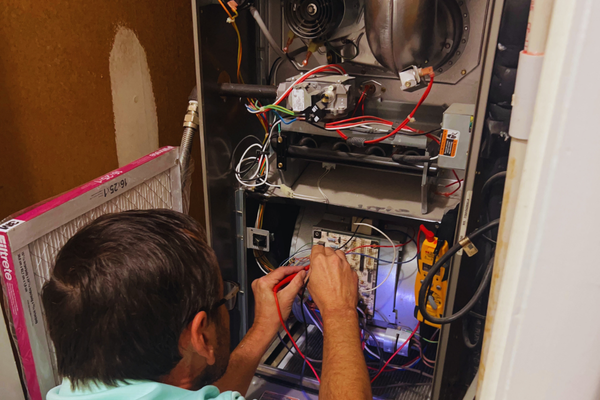
When colder weather arrives in East Texas, your furnace becomes one of the most important systems in your home. While it’s easy to forget about your heating system when it’s working properly, skipping regular furnace maintenance can lead to higher energy bills, unexpected breakdowns, and reduced comfort. That’s why annual furnace tune-ups are essential for homeowners in Tyler & East Texas. At Perry Heating & A/C, we help homeowners stay warm and worry-free with professional furnace maintenance designed to keep systems running safely and efficiently all winter long. What Is a Furnace Tune-Up? A furnace tune-up is a preventative maintenance service that includes a detailed inspection, cleaning, and performance check of your heating system. During a tune-up, a trained HVAC technician evaluates critical components, checks safety controls, and ensures your furnace is operating as intended. This proactive service helps identify small issues before they turn into major problems. Why Furnace Tune-Ups Matter 1. Improved Energy Efficiency Over time, dust buildup and normal wear can cause your furnace to work harder than necessary. A professional tune-up helps restore proper operation, allowing your system to heat your home more efficiently and reduce energy waste. 2. Fewer Unexpected Breakdowns Many furnace failures happen during the coldest days of the year—often when systems are under the most strain. Routine maintenance helps catch worn or failing parts early, reducing the risk of emergency repairs when you need heat the most. 3. Longer Furnace Lifespan Just like regular oil changes help extend the life of your vehicle, annual furnace tune-ups can help prolong the lifespan of your heating system. Proper care reduces strain on components and helps your furnace last longer. 4. Safer Operation Furnaces rely on several safety controls to operate properly. During a tune-up, technicians check for potential safety concerns such as faulty connections or airflow issues, helping ensure your system runs safely throughout the heating season. 5. More Consistent Comfort If your home has uneven temperatures or struggles to stay warm, a tune-up can help restore balanced airflow and consistent heating throughout your living space. When Should You Schedule Furnace Maintenance? For best results, furnace tune-ups should be scheduled once per year—ideally before the colder months arrive. Early maintenance ensures your system is ready before temperatures drop and helps avoid peak-season service delays. Trust Perry Heating & A/C for Furnace Tune-Ups in Tyler & East Texas At Perry Heating & A/C, we provide thorough furnace tune-ups designed to protect your comfort and your investment. Our licensed technicians take the time to inspect your system carefully, explain any findings clearly, and offer honest recommendations—never pressure. If it’s been more than a year since your last furnace service, now is the perfect time to schedule maintenance. Contact Perry Heating & A/C today to schedule your furnace tune-up in Tyler & East Texas and enjoy reliable comfort all winter long.